





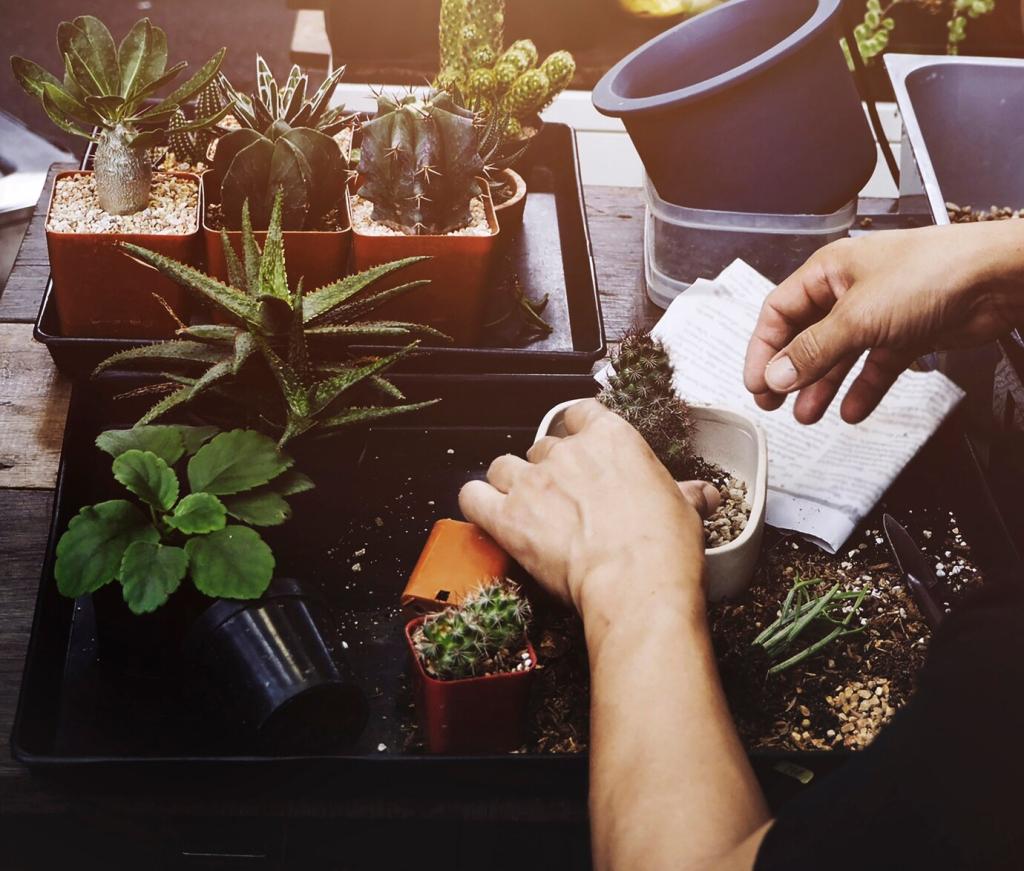



DIY Compost Bins for Apartment Balconies: Turn Scraps into Soil

Chosen theme: DIY Compost Bins for Apartment Balconies. Welcome to your tiny-space composting hub where kitchen scraps become balcony-grown nourishment. Learn to build compact, odor-controlled bins, keep neighbors happy, and grow healthier plants while shrinking your trash. Subscribe to follow every build, tweak, and success.

Up to a third of household trash can be food scraps and paper, which decompose anaerobically in landfills and release methane. A simple balcony bin redirects those scraps into nutrient-rich compost, improving container soil, boosting plant resilience, and giving your space a purposeful, eco-positive rhythm every single week.
With a sealed lid, carbon-rich cover materials, and mindful maintenance, a balcony composter stays clean, quiet, and odor-free. You will keep pests away, respect building rules, and still enjoy the satisfaction of making soil from coffee grounds and wilted greens without announcing your hobby to everyone on your floor.
A compact bin can divert several pounds of waste each week, meaning fewer trash bags, fewer elevator trips, and fewer emissions from collection trucks. Over a year, that adds up to bags of dark compost for your planters, healthier flowers and herbs, and the steady confidence that daily habits genuinely change outcomes.

What to Compost and What to Avoid

Greens: Fuel the Heat

Use coffee grounds, tea leaves, fruit and vegetable scraps, wilted herbs, and crushed eggshells. Chop larger pieces to speed decomposition and feed in small, frequent batches. Mix each addition with dry browns so the surface never looks glossy, wet, or inviting to curious flies or opportunistic critters.

Browns: Balance and Breathe

Shredded cardboard, paper towels without chemicals, paper egg cartons, and dry leaves keep airflow steady and moisture in check. A rule of thumb is to add at least equal volume of browns to greens. If things smell sharp or look soggy, sprinkle more browns and gently fluff the upper layer for breathing space.

Troublemakers to Skip

Avoid meat, fish, dairy, oily foods, and large amounts of citrus or onions, especially in worm bins. Skip glossy paper, synthetic fibers, and compostable plastics that fail to break down in small systems. By keeping ingredients simple, your bin remains discreet, balanced, and consistently productive on a small balcony.

Troubleshooting on a Balcony

No Smell, No Flies

If you smell sourness, add dry shreds and stir gently. Always cap fresh scraps with browns, and keep the lid sealed. A reader in a high-rise shared that a single handful of cardboard shreds after each coffee dump completely ended fruit flies within days, without chemicals or complicated fixes.

Moisture and Texture

Perform the squeeze test: a handful should feel like a wrung-out sponge. Too wet? Add dry cardboard, open briefly to vent, and stop feeding for two days. Too dry? Mist lightly and add a small portion of fresh scraps. Balanced texture supports steady, quiet decomposition that keeps the balcony relaxed.

Seasonal Adjustments

In summer, shade the bin and increase browns to prevent sogginess. In winter, insulate with a blanket or move the bin against a sheltered wall. Feed smaller amounts during temperature extremes. These small tweaks protect microbes or worms and maintain that clean, neutral scent you promised your neighbors.

This is the heading

Lorem ipsum dolor sit amet, consectetur adipiscing elit. Ut elit tellus, luctus nec ullamcorper mattis, pulvinar dapibus leo.
This is the heading

Lorem ipsum dolor sit amet, consectetur adipiscing elit. Ut elit tellus, luctus nec ullamcorper mattis, pulvinar dapibus leo.

Stories from the Rail: Reader Voices and Challenges

A reader in a third-floor walk-up received a cautious knock about potential smells. They shared their sealed tote, carbon cover routine, and a basil plant grown in balcony compost. The neighbor left smiling and later asked for the build guide. Community grows when compost stays clean, quiet, and beautifully useful.
Chou-tzuyu
Privacy Overview

This website uses cookies so that we can provide you with the best user experience possible. Cookie information is stored in your browser and performs functions such as recognising you when you return to our website and helping our team to understand which sections of the website you find most interesting and useful.