Fix Your Balcony Compost: Troubleshooting with Confidence
Chosen theme: Balcony Composting Troubleshooting Guide. Welcome to a friendly, practical space where small-space composters solve big problems without mess, odor, or stress. Learn fixes that fit your balcony, support your plants, and keep neighbors smiling. Subscribe and join our balcony-savvy community today.

Ammonia Whiff? Too Many Greens
If your bin smells like a pet enclosure, you likely added too many nitrogen-rich scraps. Add shredded cardboard, dry leaves, or paper towels, then fluff the mixture. Thin layers prevent matting and release trapped gases. Share what carbon sources you rely on and subscribe for more balcony-sized fixes.
Sour, Rotten Stench? Oxygen Is Missing
That swampy note means anaerobic conditions. Loosen compacted layers, poke ventilation holes if your container allows, and mix in coarse browns like twiggy stems. Drain excess leachate. Within days, the earthy forest-floor scent returns. Comment if airflow tweaks helped, and tell us your favorite carbon booster.

Airflow on a Balcony Without Mess
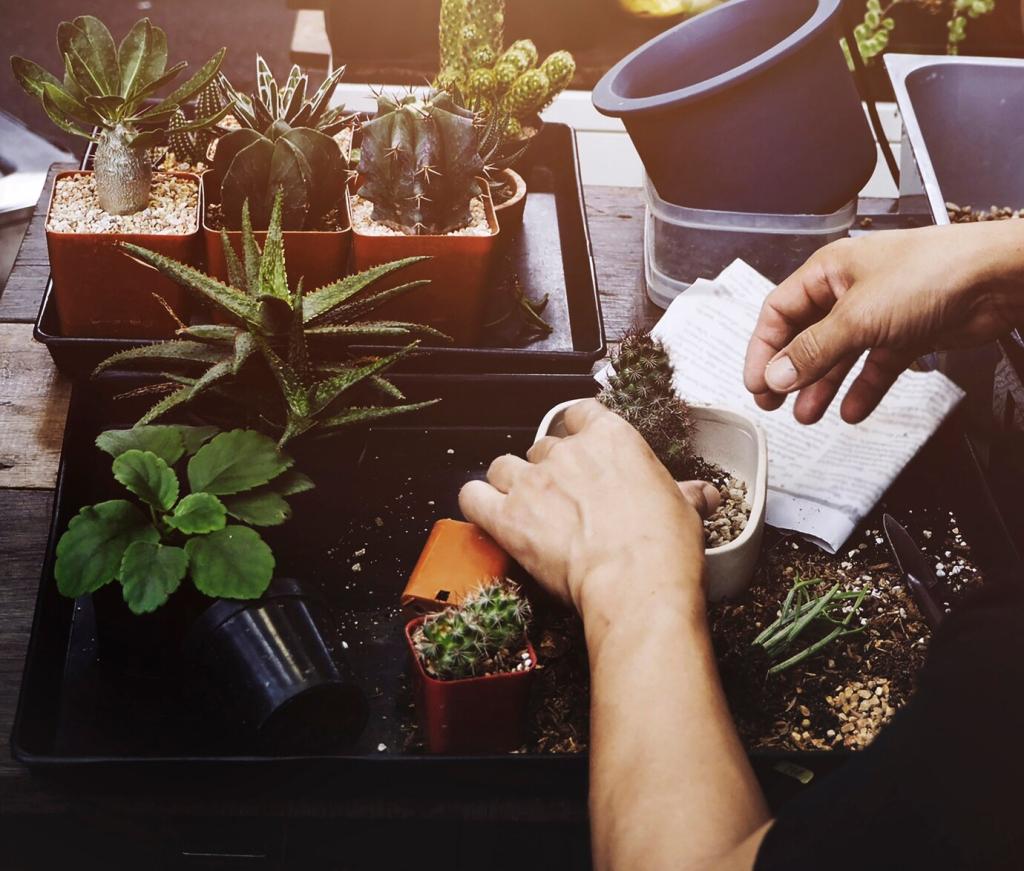
Aerate without scattering scraps by using a narrow hand fork and turning in small sections. Fit a breathable fabric or mesh under the lid for airflow while blocking pests. Keep vents wind-shielded to prevent drying or blowouts. Follow for more micro-turning tricks tailored to compact setups.
The Simple Squeeze Test, Explained
Grab a handful and squeeze: it should feel like a wrung-out sponge, releasing only a drop or two. Too wet? Blend in shredded paper or coco coir. Too dry? Mist evenly and mix. This tiny habit averts big issues. Save this tip and invite a friend who composts upstairs.
Leachate, Rain, and Balcony Safety
Elevate your bin on a tray with a spigot or absorbent layer to capture leachate and protect decking. During storms, close vents facing the rain and place a breathable rain cover. Never let liquid pool; it breeds odors and attracts pests. Share your best drainage setup and subscribe for balcony-safe designs.
Balcony Humidity and Drying Tricks
Humid climates demand extra browns and better airflow. In dry winds, rotate the bin away from drafts and lightly mist before turning. Store a bag of pre-shredded cardboard for quick fixes. Track weather notes in a compost log and tell us where you are composting from—we love global balcony stories.
Fruit Flies, Gnats, and Ants: Peaceful Pest Management
Always cap fresh scraps with a dry carbon blanket—two fingers deep of shredded paper or coco coir. Freeze or microwave peels briefly to disrupt eggs before adding. Wipe the rim and lid after feeding. This routine deters infestations elegantly. Comment with your go-to cover material and subscribe for weekly pest tips.
When Decomposition Stalls: Kick-Start the Microbes
If scraps linger, you might be low on nitrogen or carbon. Aim for thin alternating layers: two parts browns to one part greens by volume. Coffee grounds add nitrogen without extra moisture. Keep portions small so each feeding stays balanced. Share your favorite ratio tweaks in the comments.
When Decomposition Stalls: Kick-Start the Microbes
Cut scraps into thumbnail pieces to increase surface area. Layer greens, then browns, then gently fluff with a narrow tool. Rotate the bin 90 degrees weekly to vary sun exposure. These small actions add up to steady heat. Subscribe for a printable balcony turning checklist.
When Decomposition Stalls: Kick-Start the Microbes
Balcony bins rarely reach hot compost temperatures, and that is okay. Focus on steady, mesophilic breakdown with good aeration and moisture. A simple compost thermometer helps you learn your bin’s rhythm. Celebrate progress, not speed. Tell us your average temperature and we will suggest tailored adjustments.
Keep Critters Out: Urban Wildlife-Proofing
Choose a latching lid and add stainless-steel mesh to vents. Check for gaps wider than a pencil; close them with weather-resistant tape or bolts. Elevate the bin to reduce access points. A few hardware tweaks can end nightly inspections. Share photos of your setup and inspire others.
Keep Critters Out: Urban Wildlife-Proofing
Skip meat, fish, dairy, oily foods, and cooked leftovers—they smell strong and invite pests. Large bones, glossy paper, and bioplastics can also stall the process. Keep it simple: vegetable scraps, coffee grounds, tea leaves, and dry browns. Post your do-not-add list to help new neighbors avoid mistakes.


Gear and Setups That Solve Problems Before They Start
Choose the Right System for Your Lifestyle
If smells and pests worry you, consider vermicomposting with a tidy, stacked worm bin. For rapid pre-composting, try bokashi indoors, then finish outside. Aerated plastic totes work for many, especially with tight lids. Tell us your routine and we will suggest a system in the next newsletter.
Smart Modifications for Better Aeration
Drill small, evenly spaced holes near the lid and upper sides, then add insect mesh inside. Place wooden spacers under the bin for airflow beneath. Create a removable aeration core with a perforated tube down the center. These tweaks transform airflow. Subscribe for a step-by-step build guide.
Stacking, Rotation, and Labeling
Use two or three compact bins: one active, one maturing, one ready. Label feed dates on painter’s tape. Rotate which bin you feed weekly to avoid overload. This rhythm simplifies troubleshooting because each container tells a clear, trackable story. Share your stack and the schedule that suits you.
Seasons, Storms, and Sun: Environmental Troubleshooting
In cold months, feed smaller amounts and add extra browns to avoid sogginess. Insulate the bin with cardboard sleeves and keep it off freezing metal rails. Patience pays—microbes wake with spring light. Tell us your climate, and we will share region-specific winter tips in upcoming posts.
Habits, Logs, and Community: Staying Consistent
A Weekly Checklist That Prevents Surprises
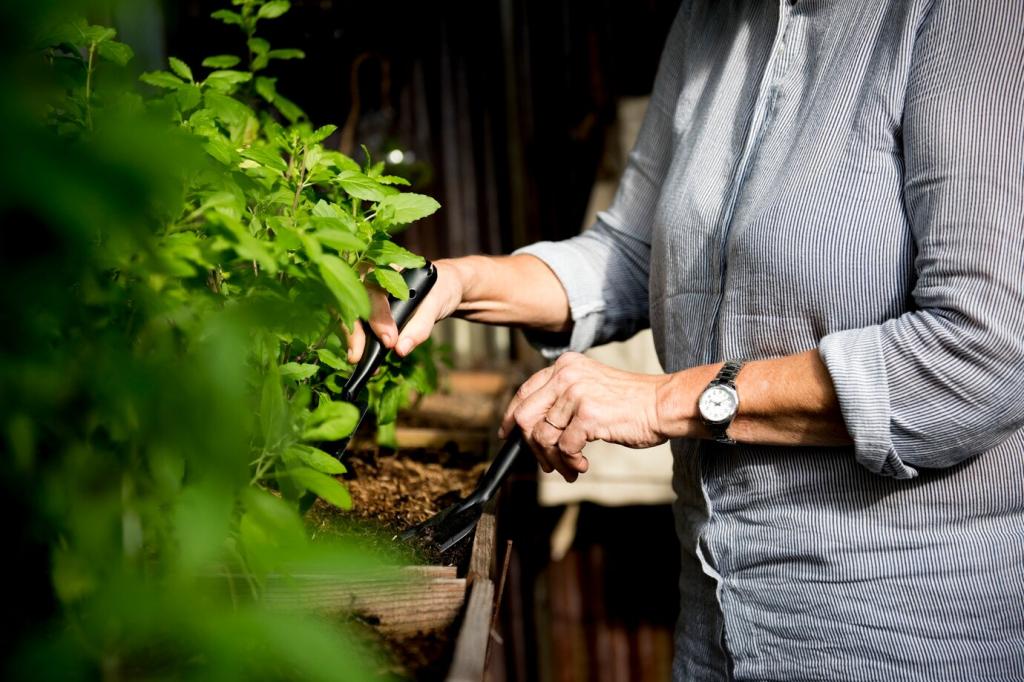
Feed modestly, cover with dry browns, do the squeeze test, fluff lightly, wipe the rim, and check leachate. Ten minutes, once a week, keeps everything humming. Save this list, share it with a neighbor, and subscribe for printable routines tailored to balcony life.
Track Inputs, Outputs, and Smells
Use notes on your phone to log dates, what you added, moisture levels, and any odors. Patterns appear fast, guiding precise fixes. Snap a photo each week for visual clues. Post your logging template and help someone else troubleshoot smarter.
Share Your Wins—Comment, Subscribe, and Swap Tips
Your balcony breakthroughs help the whole community. Drop a comment with your most surprising fix, ask questions, or request a deep-dive topic. Subscribe for new troubleshooting guides and join our next reader roundup of small-space compost success stories.